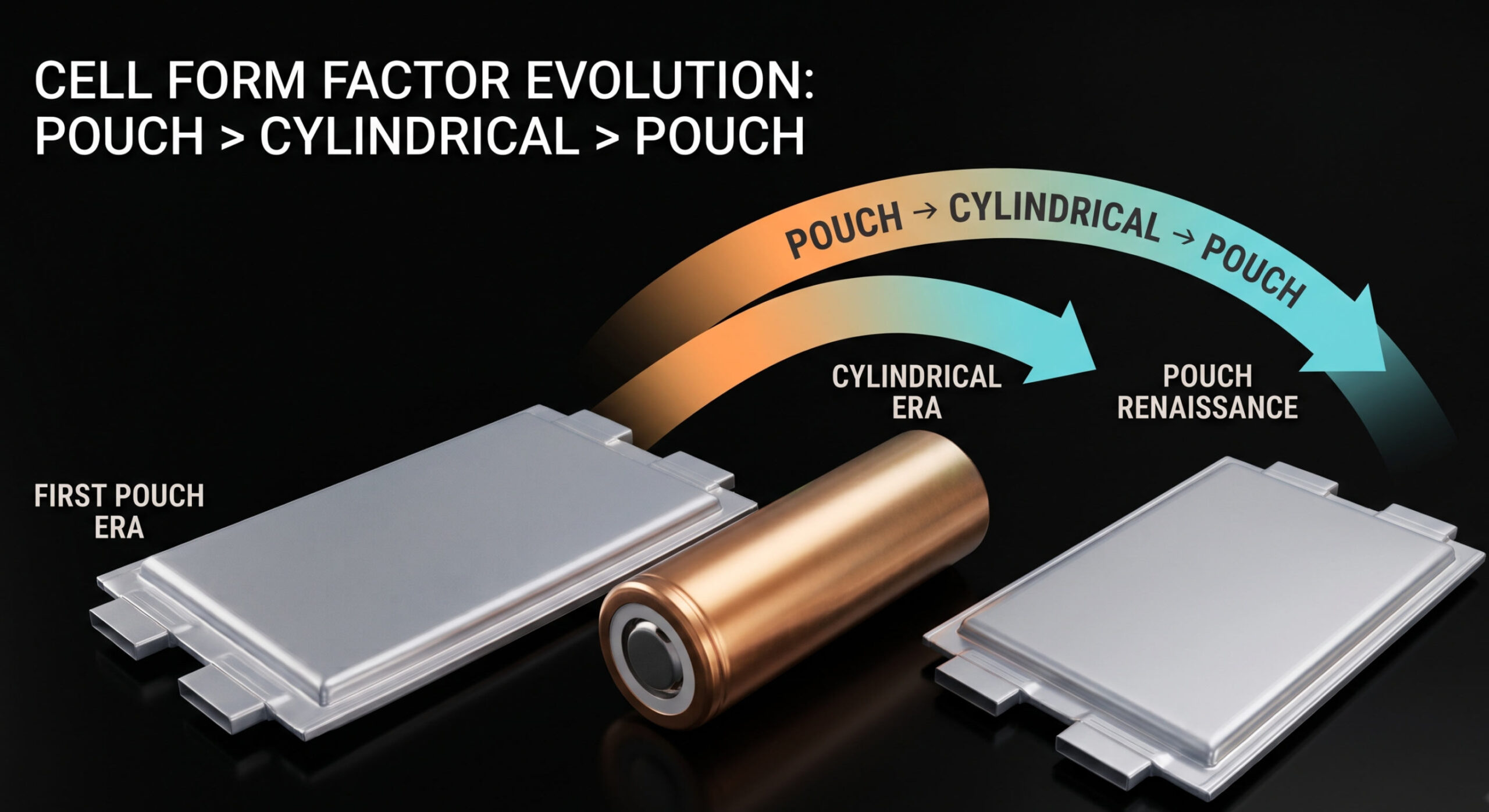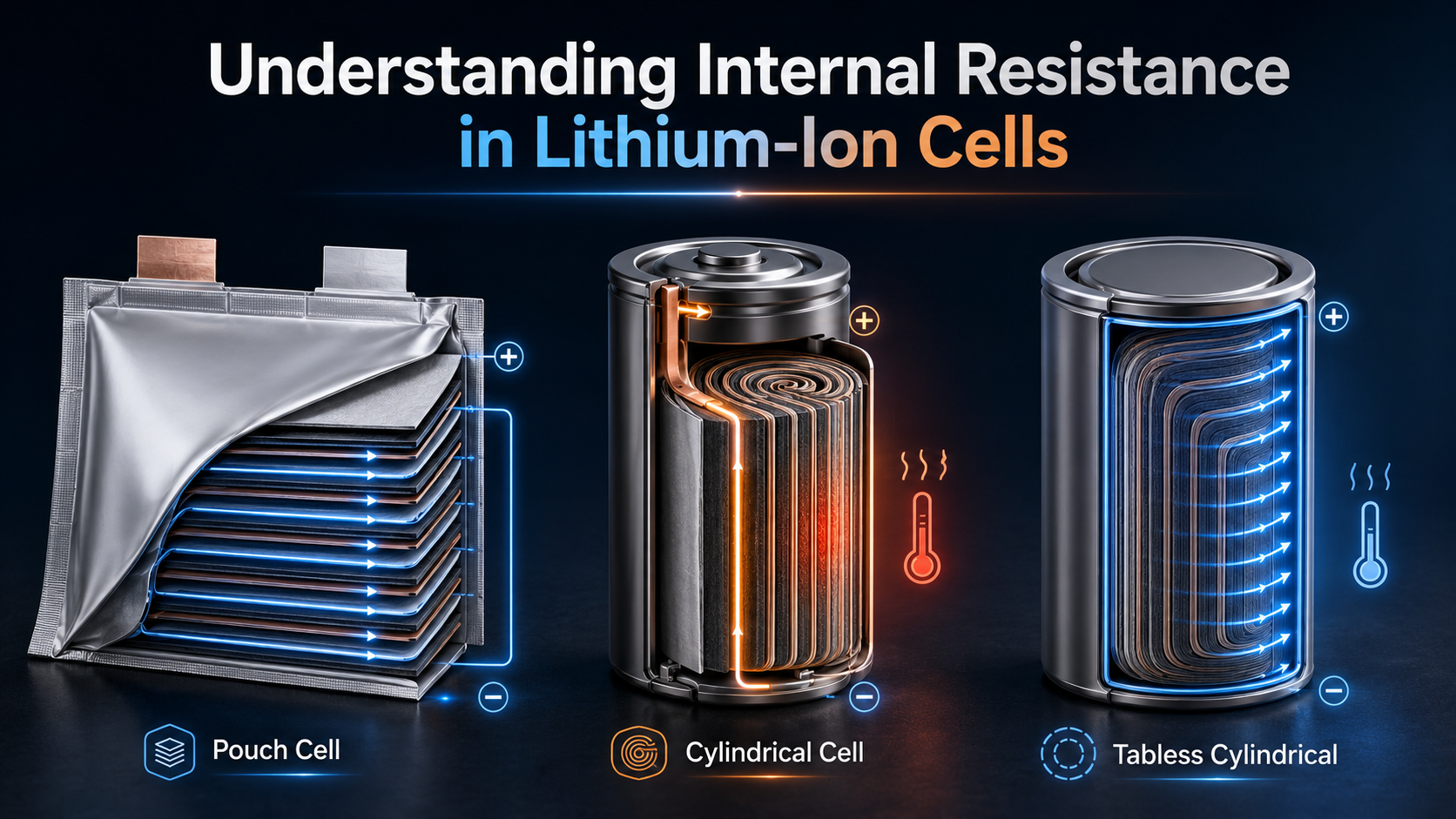
For designers evaluating a 32700 lithium-ion cell for UAVs and UGVs, this larger format brings valuable power and durability benefits. The battery industry is constantly seeking the perfect balance between energy density, power output, and physical durability. While the industry standard shifted from the ubiquitous 18650 to the larger 21700 to meet growing energy demands, a new heavyweight champion is emerging for heavy-duty applications: the 32700 form factor.
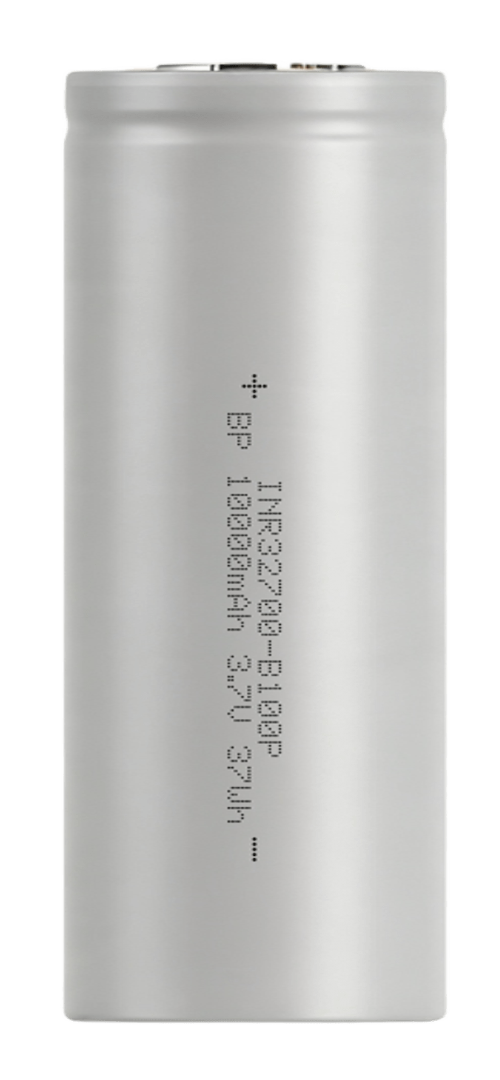
Historically, the 32700 format—measuring 32mm in diameter and 70mm in height—evolved from the older 32650 cells. For years, this size was dominated almost entirely by Lithium Iron Phosphate (LiFePO4) chemistry. Those traditional cells maxed out at around 6,000 mAh and 3.2V. They were incredibly sturdy and offered great cycle life, but their lower energy density left something to be desired for weight-sensitive applications.
Today, advanced cell engineering has unlocked new possibilities, pairing this robust cylindrical steel shell with high-energy-density lithium-ion chemistries.
The 32700 Lithium-Ion Cell for UAVs and UGVs: Enter the Baynor INR32700-B100P
At Baynor Components, we have engineered a cell that redefines what this form factor can achieve. The Baynor INR32700-B100P is a high-power lithium-ion cell designed specifically for demanding battery systems that require both massive stored energy and exceptional continuous discharge capabilities.
| Specification | Baynor INR32700-B100P |
|---|---|
| Capacity | 10,000 mAh (10 Ah) |
| Max Continuous Discharge | 100 A |
| Energy Density | 248 Wh/kg |
| Nominal Voltage | 3.6 V |
| Internal Resistance | ≤ 5 mΩ |
| Weight | 149 g |
By packing 10 Ah of capacity into a single cell, the B100P allows pack designers to drastically reduce parallel cell counts. This simplifies pack architecture, reduces the number of wiring connections, and creates a more compact footprint.
Cell Form Factor Performance Leap
Key insight: The jump from a standard 21700 to the B100P’s 32700 format increases the capacity per cell while significantly raising the continuous discharge ceiling.
Transforming Unmanned Systems
The combination of 248 Wh/kg energy density and 100 A discharge capability makes the B100P an ideal candidate for unmanned systems where both runtime and burst power are critical.
Heavy-Lift UAVs
For industrial drones, weight and voltage sag are the ultimate enemies. Traditional setups require massive arrays of smaller cells wired in parallel to handle the intense amp draw of takeoff and aggressive maneuvering.
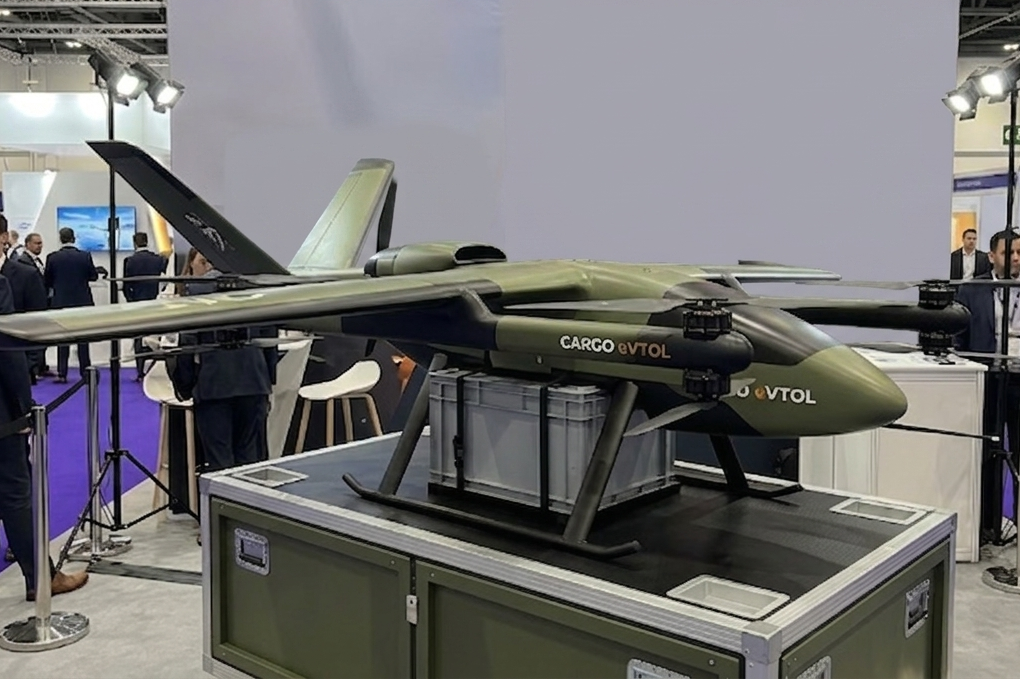
With the B100P’s 100 A maximum continuous discharge capability, a UAV can pull the massive current needed for heavy propulsion loads without experiencing crippling voltage drops. Simultaneously, the 10 Ah capacity ensures the drone has the endurance to perform prolonged aerial inspections, cargo deliveries, or agricultural spraying with a lighter, simplified battery pack.
Industrial UGVs and Robotics
Unmanned Ground Vehicles (UGVs) and robotic platforms face a different set of physical challenges. They operate in high-vibration, rugged environments and require high torque from their motors to overcome obstacles or carry heavy payloads.
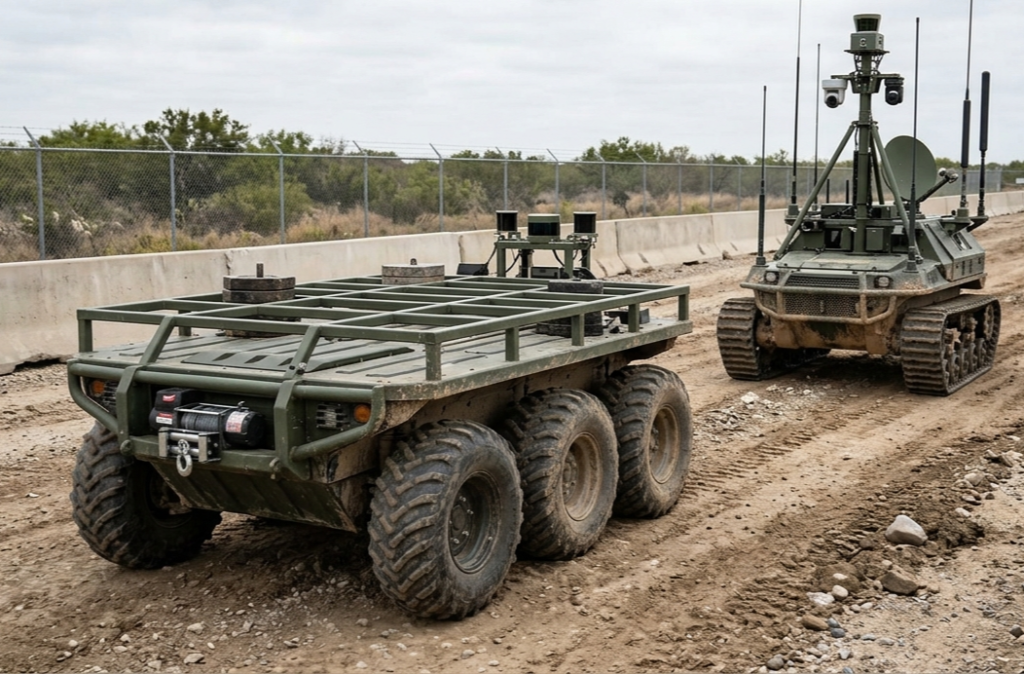
The 32700 format’s sturdy steel envelope provides excellent mechanical stability and pressure resistance. When engineered into custom packs—where cells are strategically positioned vertically to maximize structural footprint—the casing remains secure under heavy shock and vibration. Combined with a low internal resistance (≤ 5 mΩ), the B100P runs cooler even under the heavy, sustained motor loads of a UGV navigating difficult terrain.
For system integrators and engineers, the 32700 format is no longer just a legacy LiFePO4 choice. The Baynor INR32700-B100P represents the ultimate sweet spot: the extreme discharge rates of smaller power cells perfectly married to the energy density needed for sustained, heavy-duty operations.